-

Science Readers: What the Evidence Shows
What the Evidence Shows is an expository text that explains the importance of evidence in science and provides a set of rules for gathering good evidence. An experiment invites students to explore...
-

Scuba Diving
Scuba Diving is an expository text about the training and skills scuba divers need to explore or do jobs underwater. The style is informative and conversational. The text is composed of a variety of...
-

Shell Homes
Shell Homes is an expository text about animals that live in shells, such as tortoises, snails, and crabs. Readers are invited to learn about how large or small shells are and why they are important...
-

Shells
Shells is an expository nonfiction text that explains how a crab, turtle, and people use big shells as well as how people use little shells. Readers gain information from the text, photographs, and...
-

Shipwrecks
Shipwrecks is an informational report. The text describes how failures of a vessel, mistakes, and bad weather can account for shipwrecks. Readers learn about discoveries of long ago shipwrecks,...
-
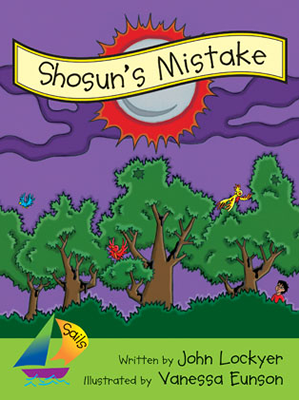
Shosun's Mistake
Shosun’s Mistake is a science fiction story about a boy named Palo who helps an alien to get a sample of a virus back to his home planet in order to find a cure before the virus kills the Earth. The...
-

Slimy Skin
Slimy Skin is an expository text about animals that have slimy skins such as frogs, fish, worms, and snails. A picture of each animal that has slimy skin is depicted on a two-page spread. In each...
-
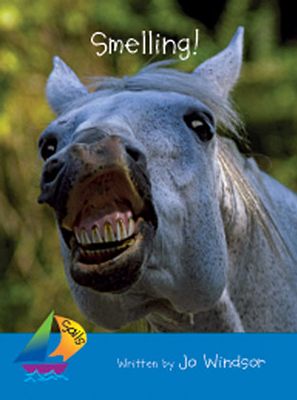
Smelling!
Smelling! is an expository book that invites readers to learn about how animals smell different things like food and danger. How animals smell with their beaks, noses, tongues, and feet, is discussed...
-
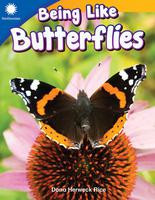
Smithsonian Readers 1: Being Like Butterflies
What do solar panels, waterproof clothing, and window coverings have in common? They are technologies that have been adapted based on studying butterflies! Learn about the amazing butterfly with this...
-

Smithsonian Readers 1: Building Lighthouses
Lighthouses have helped people navigate for centuries. But lighthouses are not built like they used to be. Learn how innovations like computers and solar power have improved lighthouse technology...
-

Smithsonian Readers 1: Building Sandcastles
Finesse your sandcastle-building skills with this fun STEAM reader! Students will examine the properties of sand and factors that influence sandcastle construction such as moisture and sunlight...
-

Smithsonian Readers 1: Cooling Off
On a hot day, what can people do to cool off? Learn about the many ways there are to keep cool. Created in collaboration with the Smithsonian Institution, this title builds students' literacy skills...