-

Nonfiction Readers 1: Make Papel Picado
Make a Papel Picado is an informational text that shows children how to create a papel picado which is a colourful, celebratory craft typically made in Mexico. Procedural language is used to walk children through creating their own papel...
-

Nonfiction Readers 1: Sea Life
Sea Life is an informational text about the different kinds of creatures that can be found in the ocean. Illustrations support the text directly and add meaning. Content words are boldfaced and included in the glossary. A Words to Know list is included...
-

Nonfiction Readers 1: Staying Healthy
Staying Healthy is an informational text about staying healthy by eating well, drinking water, exercising, and brushing teeth. Some dialogue is used. Most sentences are simple in structure. Photographs support the text directly. Punctuation is...
-

Otters
Otters is an expository text that invites readers to learn about otters. The difference between river otters and sea otters, as well as what these animals look like and eat, is discussed in the text. Photographs support important content and are labeled...
-
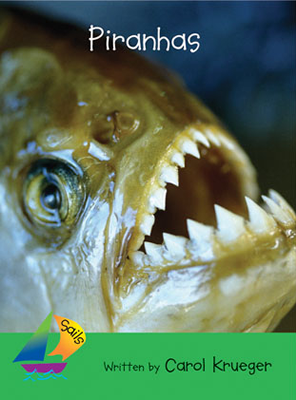
Piranhas
Piranhas is an expository text that explores a piranha’s teeth, their jaw, what they eat, and where they live. An illustrated map with a legend shows readers where piranhas live. Captions are found on some pages and provide important information...
-

Plants Eat Meat Too
Plants Eat Meat, Too is an expository text about plants that can eat meat, such as sticky traps, Venus fly-traps, and water traps. Images enhance and extend meaning of the text. Most images are labeled. An index is included. Interest words include...
-

Racing Cars
Racing Cars is an expository text about cars that go very fast and the safety precautions drivers must take. Photographs support important content and are labeled. Illustrations add detail and interest to the text and are found on each page. Callouts...
-

Science Readers: Growth and Change
Growth and Change is an informational text that explains what animals need to survive and how they grow and change. A two-page activity written in procedural language invites students to explore what animals near them need...
-

Science Readers: We Recycle
We Recycle is an informational text that explains where trash goes and how to reduce, reuse, and recycle to help keep Earth clean. A two-page activity challenges students to make something new. Questions are posed throughout the text to...
-

Smithsonian Readers 1: Cooling Off
On a hot day, what can people do to cool off? Learn about the many ways there are to keep cool. Created in collaboration with the Smithsonian Institution, this title builds students' literacy skills while fostering curiosity, creativity, and...
-
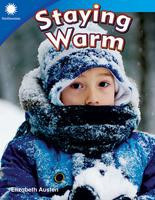
Smithsonian Readers 1: Staying Warm
This STEAM reader for first grade students will teach them about the things people can do to get warm when they are too cold. Created in collaboration with the Smithsonian Institution, this title builds students' literacy skills while fostering...
-

Spots
Spots is an expository text about animals that have spots, such as baby deer, large cats, butterflies, birds’ eggs, and spiders. Images enhance and extend meaning of the text. Some images are labeled. To conclude, the spots of three large cats are...