-

Smithsonian Readers 5: Life in a Cube
How much life can fit in one cubic foot? Photographer David Liittschwager and zoologist Chris Meyer learned the answer is: quite a lot! Learn how studying life in just one cubic foot can teach us...
-
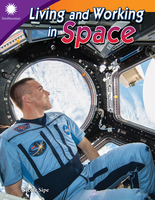
Smithsonian Readers 5: Living and Working in Space
What is it like to eat, sleep, and work in space? Find out as you read about life in a space station orbiting above Earth! Discover how astronauts function in a challenging environment that includes...
-

Smithsonian Readers 5: Making Music with Magnets
Magnets are the sparks that bring electric guitars to life! Learn how the guitar has changed over time and how it has impacted music. You'll also learn how electromagnets work and what they're made...
-

Smithsonian Readers 5: Plant Invaders
Little green aliens have invaded the planet! No, not space invaders from Mars. These are plant invaders. Sure, they look harmless. But invasive species can wreak havoc on ecosystems. Learn how people...
-

Smithsonian Readers 5: Saving a Species
People at Smithsonian's National Zoo and Conservation Biology Institute are working hard to save animal species from extinction. Meet five animals they have saved and learn about the people on a...
-

Smithsonian Readers 5: Saving Migratory Birds
Migration has huge benefits for birds, but the benefits of migration come at a cost. Learn how ornithologists are using modern technology to help these long-distance travelers. Created in...
-
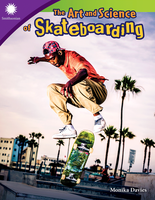
Smithsonian Readers 5: The Art and Science of Skateboarding
Leap back into history and see the first skateboards in action. Investigate the how and the why behind the modern skateboard's design. Then, watch science in action as we break down the ins and outs...
-
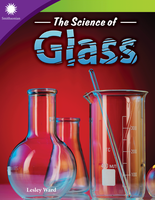
Smithsonian Readers 5: The Science of Glass
The unique properties of glass make it the perfect material for science. It has been used in laboratories for centuries. Glass containers like test tubes and Petri dishes help scientists do important...
-

Smithsonian Readers 5: Thomas Edison: Lighting a Revolution
Humans are dependent on electricity. Every day, we flip switches, tap screens, and reap the benefits of this technology. But how did it all start? Thomas Edison created an electric light bulb that...
-

Smithsonian Readers K: A Den for Bei Bei
Bei Bei is a giant panda who lives at the National Zoo. What things are needed in his enclosure to keep him healthy and happy? Created in collaboration with Smithsonian Institution, this STEAM reader...
-

Smithsonian Readers K: Building a Beaver Lodge
Building a beaver lodge is a lot of work. Learn about the steps involved with building a beaver lodge with this STEAM reader. Created in collaboration with Smithsonian Institution, this title...
-

Smithsonian Readers K: Finding the Right Container
Learn how different containers are designed to hold different things with this title that teaches children about shapes. Created in collaboration with Smithsonian Institution, this STEAM reader...