-

Smithsonian Readers 4: Rebuilding the Body
The first prosthetic devices consisted of wooden legs and hooks for hands. Today, many prostheses and bionics can do everything a natural limb can do--and more! Learn about inventions from the past...
-

Smithsonian Readers 4: Saving the Arctic
The Arctic ecosystem is changing. The temperature is getting warmer, and the polar ice is melting. Polar scientists from around the world study the Arctic because changes there affect the entire...
-

Smithsonian Readers 4: Selling More Snacks
How can you make ice cream creamier? What packaging keeps cookies fresh the longest? And how do you make potato chips that taste like a cheeseburger? These are some of the problems that a food...
-

Smithsonian Readers 4: The Culture of Calendars
Time has fascinated humans for thousands of years. We have struggled to find ways to keep track of time and predict patterns in nature. Ancient people watched the skies to study nature's cycles and...
-
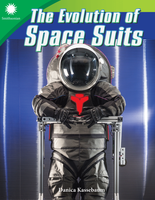
Smithsonian Readers 4: The Evolution of Space Suits
If you were traveling to outer space, what would you wear? Luckily, some of the best scientists have figured that out for astronauts. NASA scientists and engineers have designed the best gear to help...
-

Smithsonian Readers 4: The Science of Waves and Surfboards
Being a great surfer requires more than skill and instinct. It's a sport that relies on science! Without buoyancy, surfers would sink. Without acceleration, they could not travel the length of a wave...
-
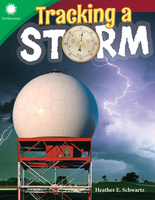
Smithsonian Readers 4: Tracking a Storm
Modern meteorologists put science to work to predict what the future holds. These predictions tell people how to dress for the day, or whether to pack an umbrella. But that's not all they do! They...
-

Smithsonian Readers 5: Color-Changing Cephalopods
Imagine changing the color of your skin or even your shape in an instant. If you were a cephalopod, you wouldn't have to imagine it--you could to it! Scientists are closely studying them to learn how...
-

Smithsonian Readers 5: Designing National Parks
Visitors from across the country and around the world flock to U.S. national parks to explore their beauty. Little do they know that the National Park Service (NPS) has been guiding and enhancing...
-
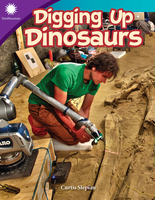
Smithsonian Readers 5: Digging Up Dinosaurs
Many people go to museums to see dinosaur fossils. But visitors would never get to see these displays without the work of paleontologists. They locate fossils, dig them up, and send them to a lab to...
-

Smithsonian Readers 5: Guided by Stars
Ancient Polynesians were some of the best navigators in history. They sailed double-hulled outrigger canoes across great distances and settled in all the major islands in the Pacific Ocean hundreds...
-

Smithsonian Readers 5: Inka Terraces
The Inka were master farmers, builders, and planners who lived in the Andes Mountains. This challenging environment required the Inka to develop innovative engineering solutions in order to farm,...