-
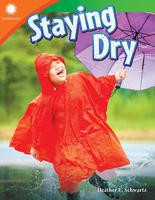
Smithsonian Readers 2: Staying Dry
Scientists are learning how to keep people dry in wet weather. They look to plants and animals for answers. They have learned that when it comes to staying dry, nature knows best! Created in...
-

Smithsonian Readers 2: The Science of Gems
Learn how minerals form in rocks and how minerals become gems with this informative STEAM reader! Created in collaboration with the Smithsonian Institution, this STEAM book builds students' literacy...
-

Smithsonian Readers 3: Amphibian Rescue
Frogs are amazing animals that face danger from climate change and habitat loss. Now a deadly fungus threatens them, too. Scientists are working hard to save them. Can these amphibians bounce back...
-

Smithsonian Readers 3: Blue Crab Comeback
Millions of blue crabs are caught in the Chesapeake Bay each year. But there is a big problem brewing in the bay. The blue crab population is shrinking. Why? Scientists and watermen have teamed up to...
-

Smithsonian Readers 3: Botanical Illustration
Imagine having a job where you get paid to draw! Botanical illustrators draw detailed illustrations of plants. Learn about this job, the tools that are used, and how it helps science. In this STEAM...
-
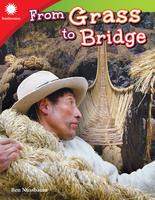
Smithsonian Readers 3: From Grass to Bridge
Hundreds of years ago, the Inka Empire was the largest on Earth. The Inka were great builders, and created roads that helped the empire run smoothly. The most impressive part of the Inka roads were...
-

Smithsonian Readers 3: Helping People See
Learn about the world of optics, where light bends to help us see the sights! Most of us rely on our eyes to see and understand the world. Yet, human eyes are far from perfect. Innovations such as...
-

Smithsonian Readers 3: Making a Mummy
Scientists have studied mummies for a long time. They study the science behind them. But scientists also study more than just what happens. They study the culture of mummies. The culture is why...
-
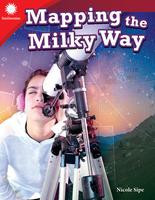
Smithsonian Readers 3: Mapping the Milky Way
The stars in the sky are part of our galaxy, the Milky Way. Scientists have tried to map the Milky Way for centuries, but it is hard! The Milky Way is so large, scientists cannot simply take a...
-

Smithsonian Readers 3: Navigating at Sea
How did sailors long ago know how to get from here to there? They needed smarts, bravery, and tools of navigation! Many of the tools used then are still used in some form today. Modern technology...
-

Smithsonian Readers 3: Predicting Earthquakes
Seismologists have an important job. These scientists study earthquakes. Why is it so important to study earthquakes? By studying quakes, seismologists can help protect people from injury and death...
-
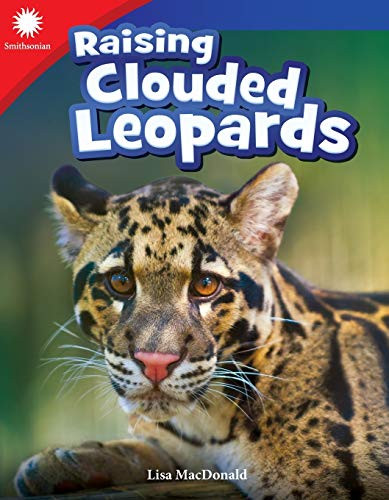
Smithsonian Readers 3: Raising Clouded Leopards
The clouded leopard is a shy and reclusive cat. This relative of lions and tigers is an endangered species. Their shy nature makes studying them difficult for zookeepers and scientists. Discover what...